


Artificial Intelligence is rapidly reshaping the nonprofit and philanthropic sectors—and not in some distant future. It’s happening now. From streamlining grant operations to surfacing insights in years of reporting data, AI holds enormous promise. But as with any powerful tool, its value depends on how thoughtfully we apply it.
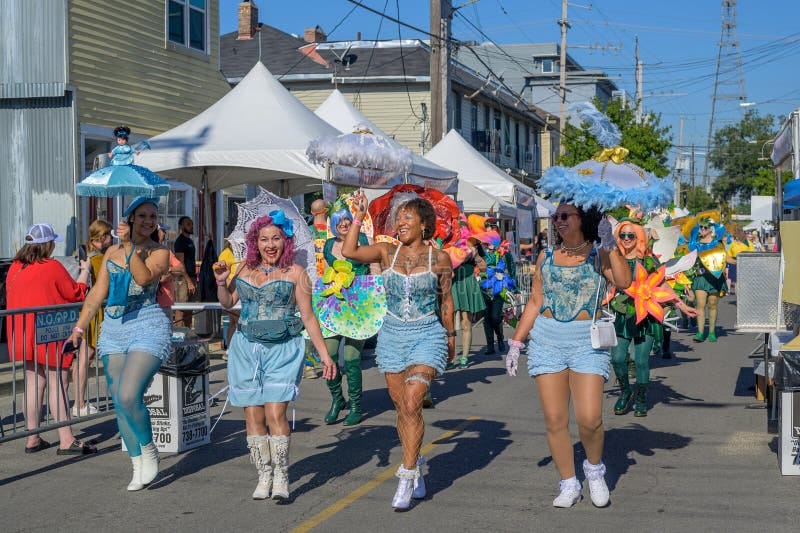
This spring, two pivotal moments in the field are helping shape that conversation: PEAK Grantmaking’s 2025 Conference in New Orleans just wrapped, and NTEN’s Nonprofit Technology Conference is right around the corner in Baltimore. Add to that a series of upcoming sessions on oral and alternate reporting (OAR) and values-based learning hosted by PNY and NCG, and it’s clear: the sector is moving—and asking better questions as it goes.
🚦 PEAK2025NOLA: Leading With Courage and Showing Up With Intention
This year’s PEAK Grantmaking Conference—#PEAK2025NOLA—brought together hundreds of grants professionals, technologists, and changemakers under the theme: “Onward: Leading With Courage.” The message threaded through every session was clear: the complexity of this moment demands not just new tools, but new ways of showing up.
Amber Hamilton, Executive Director of the Memphis Music Initiative, opened Day 2 with a searing keynote that invited attendees to confront their own leadership in times of uncertainty. Paraphrasing her reflections:
“Part of the reason you’re feeling so anxious is that you haven’t decided how you want to show up in this moment.”
Her words hung in the air—a powerful reminder that courage in this era of polycrisis isn’t just about taking action, but about aligning with purpose.
The conference closed with a keynote from Felecia Hatcher, CEO of Pharrell Williams’ Black Ambition Opportunity Fund, who reminded us that courage isn’t just about innovation—it’s about inclusion. Hatcher encouraged attendees to embrace their unique strengths and lead from a place of authenticity, especially when navigating systems not built with all of us in mind.
Throughout the convening, AI remained a hot topic. Sessions explored how AI intersects with justice, trust, and proximity. The sector is no longer asking if we’ll use AI—but how we’ll do it with care, transparency, and community at the center.
As one attendee put it on LinkedIn, “PEAK2025 wasn’t about the next big thing—it was about returning to our values as we build what’s next.”
🧰 NTEN’s AI Toolkit: A Guide for Doing It Right
If PEAK was the inspiration, NTEN’s AI Toolkit is the playbook.
Designed for nonprofits and funders of all sizes, the toolkit includes three core resources:
Generative AI Use Policy Template
An editable framework that helps organizations develop internal guardrails around AI use—covering everything from data privacy to output quality to environmental impacts.Policy Narrative Document
This companion piece explains why AI policies matter. With vivid examples of how AI tools can unintentionally breach trust or perpetuate bias, the narrative helps bring technical guidance into real-world context.Equitable AI Project Planning Framework
This may be the most powerful piece: a planning tool that centers equity at every stage of an AI initiative. It asks critical questions: Who is involved in design? Who benefits? Who might be harmed?
🌟 Sector Highlight: United Way Suncoast
One standout example of AI in practice comes from United Way Suncoast, a nonprofit integrating AI into its grants process with care and intention. Rather than replacing human judgment, they use AI to:
Organize application materials
Identify trends and flag potential alignment
Assist—but not make—grant decisions
Their team has developed internal review processes to audit for bias, engage community voice, and ensure AI remains in service of human decision-making. It’s a strong example of how nonprofits can use AI without abandoning the values of equity and transparency.
🔗 Explore United Way Suncoast’s Work
🔄 From Rigid Reporting to Responsive Learning
As we explore AI’s potential to unlock insight from reporting, we’re also reimagining how we report in the first place.
For years, grant reports have been seen as compliance exercises—rote, static, and often unused. But a growing movement is flipping that script. Oral and Alternate Reporting (OAR) isn’t about abandoning accountability—it’s about realigning it with mission, learning, and trust.
Led by grants professionals Blanch Vance and Rachel Kimber, the OAR initiative promotes values-driven, relationship-centered reporting. These conversations—grounded in field research from CEP and PEAK, and informed by lived experience—ask: How can reporting serve both funders and grantees better?
This spring, you’re invited to go deeper in a new three-part series co-hosted by Philanthropy New York (PNY) and Northern California Grantmakers (NCG):
PNY Sessions (Eastern Time):
Session 1: Wednesday, April 2, 2025 | 1:00–2:15 PM ET
Session 2: Thursday, April 10, 2025 | 2:30–3:45 PM ET
Session 3: Tuesday, June 3, 2025 | 1:00–2:30 PM ET
NCG Sessions (Pacific Time):
These sessions are for everyone—from program officers and grants managers to tech vendors and nonprofit leaders. If you care about making reporting meaningful, you don’t want to miss this.
🌱 What Comes Next?
As Candid reports, 23% of funders already reject AI-generated grant applications, citing trust and authenticity concerns. And yet, many organizations are still exploring AI without clear policies, training, or strategies.
This moment calls for community-centered innovation. It asks us to:
Build ethical policies along with tech adoption
Prioritize equity and inclusion in every step
Reimagine reporting and learning as mission-critical
Stay grounded in relationships, not just results
We’re not just building new tools. We’re building a new way of working—where technology serves mission, not the other way around.
✨ Let’s Keep the Conversation Going
The future of philanthropy isn't found in better algorithms alone. It's found in braver questions, deeper listening, and shared learning.
Are you trying AI tools at your organization? Are you wrestling with how to make your reporting more useful, less extractive? Have a story, resource, or question to share?
Let's learn together.
Because change isn’t coming from a tool. It’s coming from us.
Thanks Rachel for including me at NTEN. Please use free 2 custom GPT and course for nonprofit users https://university.sopact.com/course/ai-for-nonprofits