

Illustration by Vicente Niro
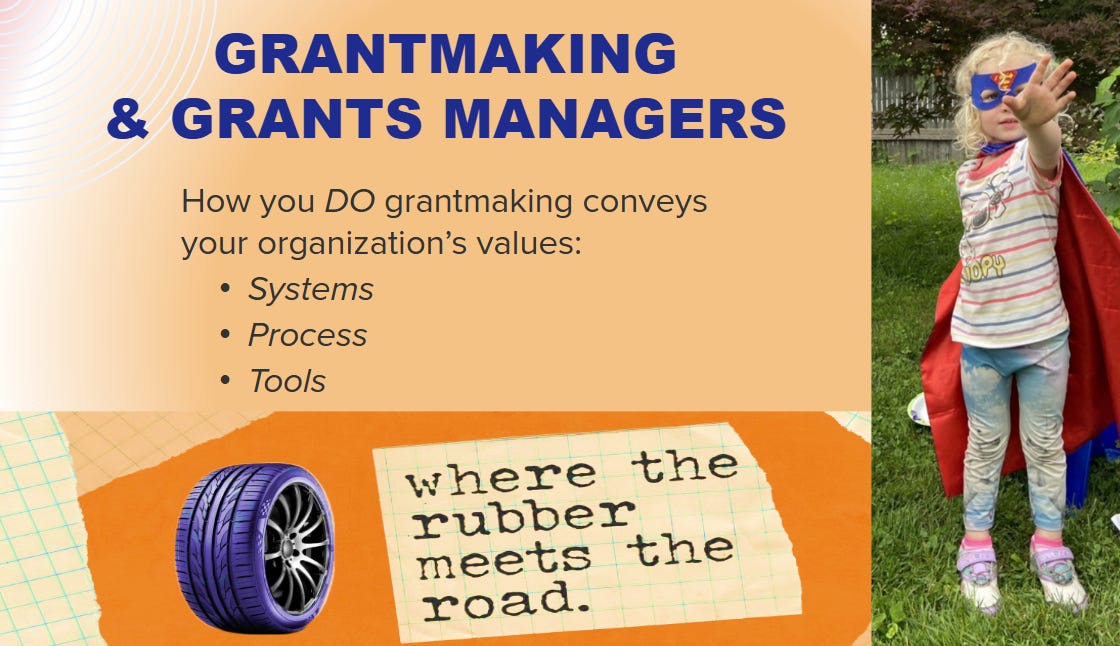
As grants managers, we often find ourselves navigating the interplay of rules, loopholes, and norms. This dynamic trio isn’t just the framework for compliance; it’s where creativity and innovation take root. Recently, I’ve been reflecting on how Jon Stewart’s commentary about systems in society—politics, governance, and beyond—parallels the world of grantmaking. Stewart highlighted how clearly defined rules, gray areas, and shifting norms shape systems, and I couldn’t help but ask: How does this framework apply to grantmaking, IRS tax codes, and values-aligned operational strategies? Especially as we work to challenge power dynamics, elevate grantee voices, and embed equity into everything we do?
Rules: The Backbone of Accountability
Rules are the starting point for everything we do. Eligibility criteria, compliance standards, and reporting guidelines ensure accountability and transparency in grantmaking. Rules provide structure and consistency, and they make sure everyone—whether funders, grantees, or external auditors—is on the same page.
But here’s the thing: rules often reflect a system’s priorities, and they can be rigid. They don’t leave much room for the nuance required to address complex social issues. While rules are essential, they’re only a foundation. They’re not where the innovation happens. This is where grants managers—with our intimate understanding of these systems—can lead the charge in exploring AI’s potential to work within and expand beyond these structures
Loopholes: The Gray Areas of Opportunity
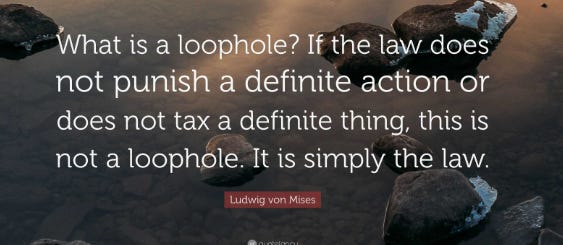
Then there are the loopholes. Just like the IRS tax code’s expansive gray areas, philanthropy’s compliance landscape is often a space of interpretation. It’s where flexibility resides—and sometimes, where inequities hide.
Being “compliant” isn’t always synonymous with being equitable or values-driven. Loopholes can create opportunities to do better: to stretch beyond rigid frameworks and find ways to support communities that traditional rules might overlook. For example, a grant’s defined “restricted purpose” might seem limiting on paper, but creative collaboration with grantees can align those funds with broader community needs—without breaking the rules.
Of course, loopholes also come with risks. They’re where bad actors can game the system. But for values-driven grants managers, they’re also where we can imagine, innovate, and push boundaries—responsibly.
Norms: Where Change Takes Root
Norms are the unwritten practices and assumptions that underpin how we work. They shape how we approach equity, trust, and participation in philanthropy. Norms are also the hardest to see, let alone shift—but they’re where the real transformation happens.
For too long, some norms in philanthropy have perpetuated inequities. For instance, the idea that funders “know best” or that grantees should “prove their worth” through excessive reporting requirements often reinforces power imbalances. But these norms are evolving. In Andrew Carnegie’s time, as articulated in his "Gospel of Wealth," norms of giving emphasized the benefactor’s vision, often with little input from the recipients of charity. Today, thanks to movements like trust-based philanthropy and participatory grantmaking, we’re seeing a collective push to center grantee voices and embrace more equitable practices.
Enter AI: A Catalyst for Change
Artificial intelligence has arrived as a transformative force—a tool capable of reshaping the rules, exploiting gray areas responsibly, and redefining norms. For grants managers, this is an opportunity to step into a leadership role, ensuring AI is implemented thoughtfully to serve mission-driven goals.
Here’s what AI can do for grantmaking:
✔️ Navigate Loopholes with Integrity: AI can help identify patterns and gaps in compliance—not to exploit them, but to align them with our values. Just as the IRS tax code is written to require interpretation, AI can serve as a powerful ally in navigating these gray areas.
✔️ Automate Routine Tasks: So much of our work as grants managers involves repetitive and time-consuming processes. AI can help take on these burdens, enabling us to shift our focus toward building deeper relationships with grantees and fostering collaboration. By freeing up time and mental load, we can dedicate more energy to strategic thinking and strengthening the human connections that drive impact.
✔️ Surface Insights for Equity: AI can analyze vast datasets to highlight disparities and propose solutions. It can challenge outdated norms by showing us where our systems fall short and offering actionable insights to improve them. For example, it could analyze historical grant data to identify systemic biases, propose adjustments to funding strategies, and suggest innovative ways to use existing rules and regulations for greater social impact.
The Double-Edged Sword
But AI is not inherently good or bad; it’s a reflection of its creators and users. Without thoughtful guidance, AI can perpetuate inequities or reinforce harmful power dynamics. For instance, biased algorithms could inadvertently exclude certain communities from funding opportunities or prioritize efficiency over humanity.
That’s where grants managers come in. Positioned at the nexus of compliance, risk management, and innovation, grants managers are uniquely suited to lead the sector into the AI era. By leveraging their deep understanding of operational nuances, compliance and risk, they can guide senior decision-makers—who may not fully grasp AI’s potential—toward informed, strategic adoption of these tools. This leadership is critical to ensuring AI is used both ethically and effectively.
Building a Safe Playground for Innovation
AI presents us with a choice: we can treat it as a simple tool for efficiency, or we can embrace it as a partner in innovation. To do the latter, we need to create a safe “playground” where experimentation is encouraged, and mistakes are viewed as learning opportunities.
This means:
Prioritizing Human Oversight: AI should assist, not replace, human judgment. Let’s ensure there are checks and balances to prevent misuse.
Embedding Equity in Design: From the start, we must involve diverse voices in shaping how AI is developed and deployed.
Investing in Education: Grants managers need training to understand AI’s capabilities and limitations, so we can wield it responsibly.
Collaborating Across Sectors: Philanthropy doesn’t have to navigate this alone. By partnering with technologists, ethicists, and grantees, we can build tools that truly serve our missions.
Let’s Redefine What’s Possible
Rules, loopholes, and norms have always defined our work. Now, AI is challenging us to rethink them. It’s not just about efficiency; it’s about reimagining what’s possible. By harnessing AI thoughtfully, we can honor the voices of those we serve, embrace participatory practices, and push for greater equity.
So, I leave you with this: How do you see norms shifting in your work? And how are you leveraging AI to drive meaningful change? Let’s discuss. Together, we can build a sector that’s not only more efficient but also more equitable and impactful.