



I fled to the ski fields.
A full-body, gut-level reaction to a world in flux—presidential transitions, AI revolutions, economic precarity, climate change, immigration reform. These aren’t abstract policy discussions; they are the air we breathe, the ground shifting beneath our feet. The body reacts: fight, flight, freeze.
Many of us in the social sector have been frozen.
Philanthropy, in particular, has been immobilized at a moment when it should be moving faster than ever. The nonprofit sector is built on vision and action, yet in the face of an increasingly data-driven world, we find ourselves caught in hesitation, unsure of how to lead.
I’ve sat in rooms where corporate sponsors wrote million-dollar checks to nonprofits and then asked, “Where’s the data?” And we—the nonprofit leaders—couldn’t answer. Not because we didn’t have stories of impact, not because we weren’t changing lives, but because our sector was never designed for surveillance capitalism. The corporate entities, ever eager to optimize, offered to help us “count widgets.” They framed it as a gift, a bridge to efficiency.
But this is how the nonprofit sector burns. Faster and faster, the flames of endless data collection, reporting, and metric-chasing consume us. More dashboards, more KPIs, more ways to measure social impact until we can no longer see the people behind the numbers. This is the downward spiral.
And the burnout? It’s real.
The Center for Effective Philanthropy (CEP) report on burnout in the nonprofit sector confirms what many of us have known intuitively: the current pace and expectations placed on nonprofit workers are unsustainable. Corporate practices of relentless efficiency, endless performance metrics, and a fixation on quantitative over qualitative outcomes are breaking the very people working to hold communities together. The demand for data-driven proof has turned philanthropy into a compliance exercise rather than a force for change.
If we continue following corporate ROI logic, we aren’t just burning out nonprofit workers—we are burning down the sector itself.

Reframing the Data Narrative: A Stairway, Not a Spiral
Instead, I imagine something different—a stairway to Tech for Good.
What if philanthropy embraced data as a way to co-create a vision of success? What if we built a framework where data wasn’t about proving worth to funders but about assessing progress toward our collective mission?
Data should be qualitative and quantitative, guiding us toward outcomes that matter—not just to corporate funders, but to communities.
On the stairway to Tech for Good, we pause to celebrate progress, to adjust course, to share a laugh, to play that iconic guitar riff with friends before climbing again.
This is the difference between ROI and impact.
The corporate world is singularly obsessed with return on investment. The nonprofit world has always been about return on humanity—the belief that when a nonprofit thrives, the entire community thrives. The nonprofit sector is the heartbeat of a republic filled with hope and possibility. Because when people aren’t just surviving, when children aren’t hungry, when veterans and the elderly are cared for, the whole nation flourishes.
Philanthropy’s Responsibility: Move, Build, Bridge
But to get there, philanthropy must move.
If philanthropy stays frozen—stuck in outdated funding models, hesitant to engage in technology for good, afraid of the changing data landscape—nonprofits will be left scrambling. And the corporate world will define the future of AI, of data ethics, of impact measurement, and ultimately, of who gets served and who gets left behind.
Philanthropy is uniquely positioned to build bridges between nonprofit missions and the power of data-driven decision-making without compromising values. It can ensure that data serves the people, not the other way around.
This is not a moment to hesitate. This is a moment to lead.
Nonprofits are the social fabric that holds us together. Philanthropy has the resources to strengthen that fabric—not by demanding compliance with corporate metrics, but by co-creating a vision of success rooted in justice, equity, and shared prosperity.
We have to step onto the stairway.
And keep climbing.
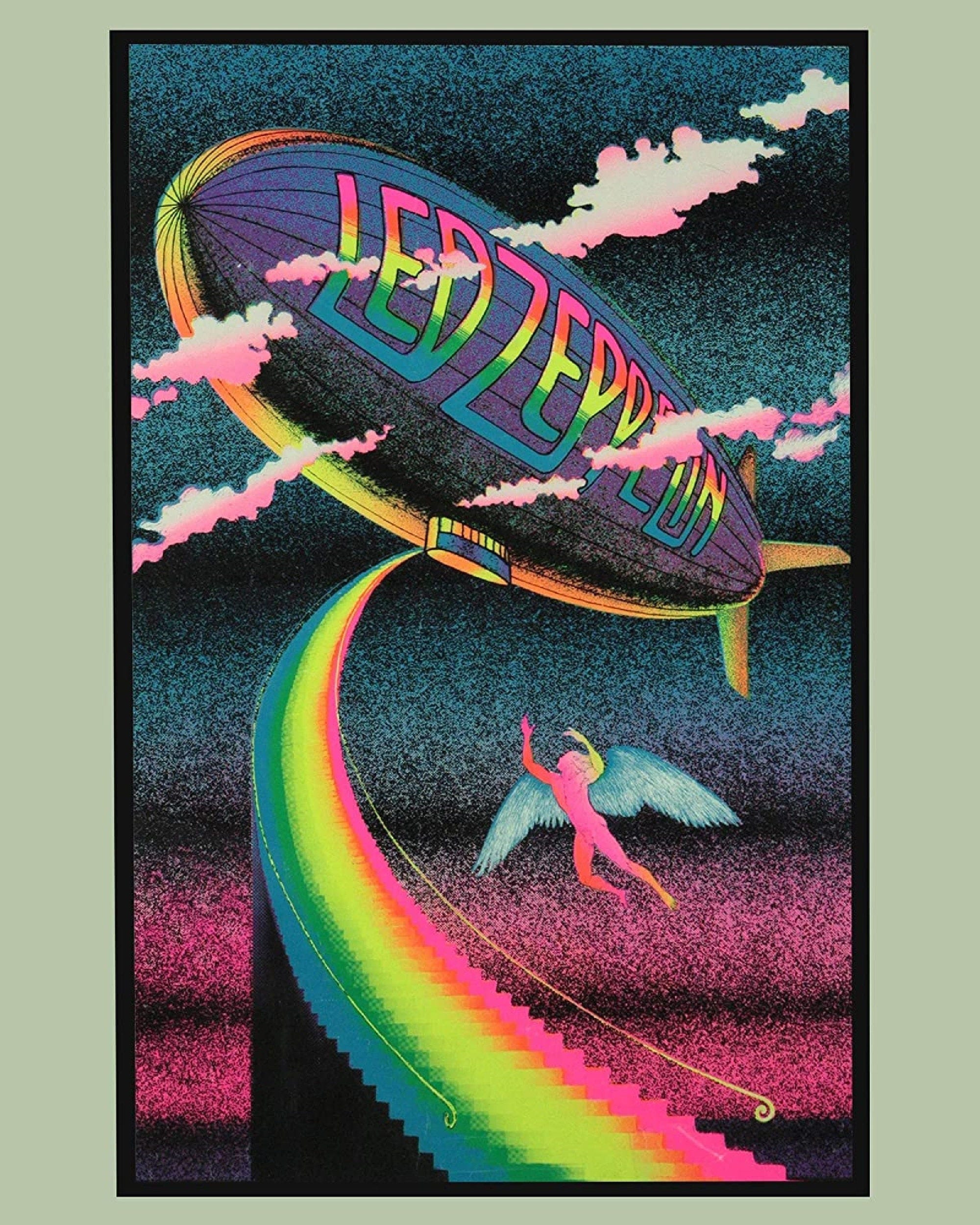
Thank you to Led Zeppelin, Siri, ChatGPT, Canva, and Google for support inspiring this article.