


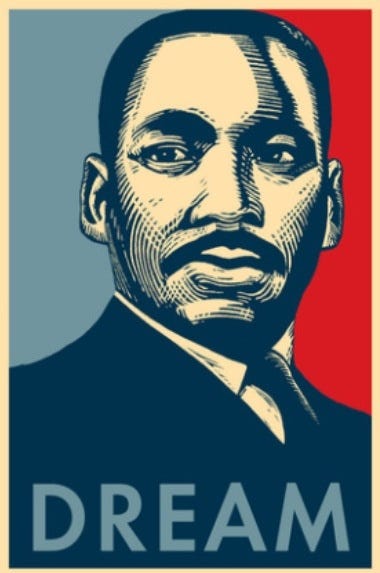
Martin Luther King Jr. Day is not a day off.
It is a day to act. A day to remember. A day to hold the weight of our work — and then step into it again, on purpose.
We don’t mark this day for comfort. We mark it because it costs something. Because the call to justice is loud, reverberating, aching with due process.
Dr. King didn’t just dream — he labored. He led. He called out systems designed to fail the very people they claimed to serve. And he reminded us, sharply:
“Philanthropy is commendable, but it must not cause the philanthropist to overlook the circumstances of economic injustice which make philanthropy necessary.”
Those of us who work in this sector — funders, public charities, intermediaries, builders, conveners — we know the tension. We are here because we believe in service. But lately, that service has looked more like surviving broken systems than transforming them.
And yet, we persist.
From Sentiment to Systems
It would be easier to stay in the warm place of sentiment. To light a candle, repost a quote, and carry on with business as usual. But we have not been called to easy.
Service is not soft. It’s not neat. It is messy, and embodied, and slow. It means confronting the systems we’ve inherited — the ones stitched together with outdated tech, extractive processes, and invisible labor — and asking what would happen if we chose something different.
It means having faith, leading with trust, and hope for a brighter day and a better future for people, creatures, and planet.
Philanthropy has one job in this moment. To fund, steward, and build systems that put people first. Not profit. Not platforms. Not polish.
People.
Philanthropy is the last bastion to resource Tech for Good.
Let’s not waste that responsibility on convenience and comfort.
Living Connection, Digitally Held
In my house, it looks like this:
One kid sending a video-gram to a cousin in another country and writing a letter to a bestie back in NY.
Another moment they are both toggling between tabs, talking to friends on video, and building a shared Minecraft world.
They juggle emojis, stickers and stamps. They float between analog and digital with ease. They hold real conversations in real time — from different rooms, different states, different counties. I watch them laugh. Problem-solve. Show up.
They are not distracted. They are connected.
And I wonder: if my children can build whole worlds with a device and a little intention, why do we in the social sector still act like an oral report is a barrier?
Why do we pretend peer-reviewed theories of change are the only measure of authenticity and ability?
A Story of Tools and Trust
I had the privilege of thought-partnering on a piece recently — @Mission Bloom’s exploration of AI-supported co-authorship.
Four humans. One AI. Multiple time zones.
What emerged wasn’t output. It was insight.
We didn’t use the tool to skip steps. We used it to deepen the process — to surface questions, recognize patterns, and reflect on lessons.
“What emerged was not efficiency for efficiency’s sake, but a deeper ability to work across space, time, and experience — together.”
— Mission Bloom
That phrase has stayed with me.
Because the story here isn’t “AI makes things faster.”
It’s that AI helped people see each other more clearly. Move with intention. Drive impact.
And if that’s possible in a co-writing experiment, what might it look like inside a foundation? Inside our workflows? Inside our reporting?
What if we designed our systems not to extract data, but to deepen emergent learning? To hold the nuance of human experience — and design tools that serve trust?
This Is What Stewardship Looks Like
I used to volunteer. I served food, helped paint rooms in soon-to-be-occupied homes, and participated in days of action. It felt tangible. Noble. Simple.
Now? I raise children. I run a small business. I fix broken systems — grant portals that time out, logic models that strip out context, vendor contracts that forgot to ask about values.
And still, I serve.
Because this is what stewardship looks like now:
Values in motion.
Infrastructure in repair.
Courage in public.
It is not always graceful. It is real. And it is necessary.
We all need to do our part.
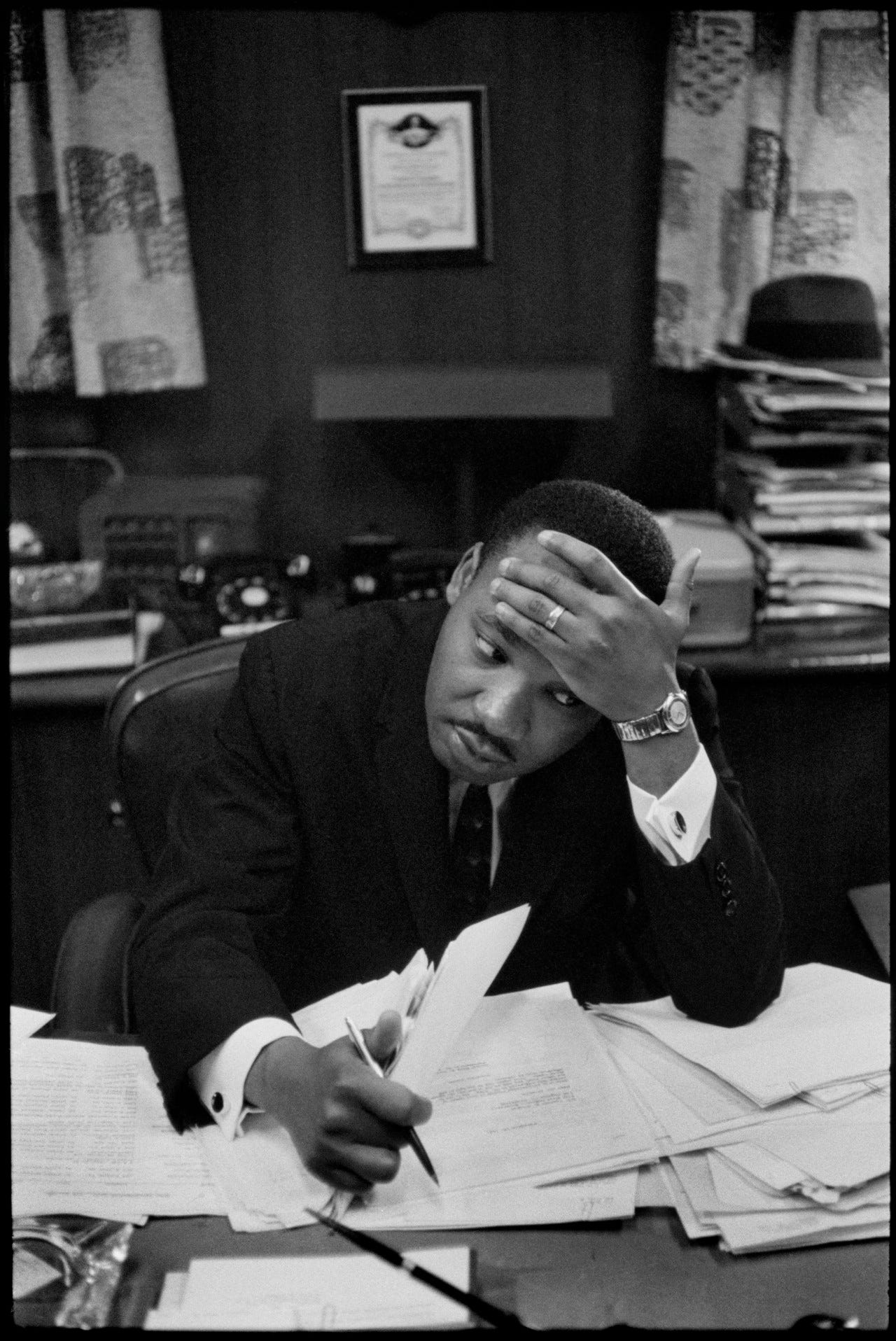
The Work Is Ours
On this day, I’m not interested in spectacle. I’m interested in service. The kind that reshapes systems. The kind that refuses to pretend tools are neutral. The kind that moves toward community, even when it’s hard.
We do not need to wait for a chair at the table to appear.
We are called to bring our folding chair.
“Faith is taking the first step even when you don’t see the whole staircase.”
This is what service looks like now.
And this is the work that calls us forward.
Together.
📌 Want to read more from these reflections?